How to Unblock a Drain at Home

So your drain is blocked or slow draining, and you want to know how to sort it out. You’ve come to the right place! A blocked drain is a common household plumbing problem, and for minor blockages, it may be easy enough to resolve.

However, if you knew how many callouts we attend because of DIY plumbing gone wrong, you’d know that even the easiest plumbing jobs require a bit of preparation and a whole lot of caution. Read on to discover what to do – and what not to do – when unblocking a drain.

Untrained plumbers can damage pipes using incorrect tools or aggressive methods. Ignoring the root cause leads to recurring blockages and potential structural issues. Experience ensures proper diagnosis and gentle, effective solutions.John’s focus on problem-solving means our plumbers are trained to identify underlying drainage issues (e.g., tree root intrusion, pipe collapse) and recommend lasting solutions, not just temporary fixes.

Learn More

Continue reading “How to Unblock a Drain at Home” →

Flood Prevention: Avoid a Backyard Moat!

Updated 2024 by John Salmon. Flood prevention is a hot topic in Brisbane. Summer is our wet season in Queensland and spring is the ideal time to check the external plumbing around your home. No one wants a moat around their house when the storms and rains inevitably hit. Proper backyard drainage is key to preventing water inundation inside your home, but the process starts with your roof!

Here are some checks and maintenance tips you can do around your house to ensure the water flows where it needs to go.

1. Clean your roof and remove debris

The roof is the largest surface area of your home, and it’s the first surface to be hit by rain. Ensure your roof is clean and debris-free so that when the rain does hit, it doesn’t wash accumulated debris through your gutters or downpipes, causing a blockage.

2. Empty gutters of leaf debris

Cleaning your gutters is step one in flood prevention. Crack out the ladder every spring and spend a Saturday making sure there is no leaf litter preventing the water from flowing through each channel to the stormwater drains. Leaf matter can break down and congest downpipes. This can cause a back-up of water when it storms or rains, and this water has nowhere to go except overflow the edges of the gutters, falling around the house often causing an external flood.

3. Inspect rusty gutters and down pipes and ensure correct fall

Every spring, your gutters and down pipes should be inspected for rust and openings which can cause a water to fall through, instead of being directed away from the home through the existing storm water drainage. Have rusty gutters and downpipes replaced as soon as possible to avoid the drama of an external flood during storm season.

Also ask your trusted Brisbane plumber to check for backfall of gutters. The correct fall ensures the water flows towards the downpipes, not away from them.

4. Flood prevention and stormwater grates

Often significant rain events can wash sand and dirt down storm water grates. This needs to be emptied to ensure a free channel of water to flow through when the next rain event hits. Click here to read more about storm water.

5. Ask your plumber to calculate the right number of downpipes for your roof surface area

Some houses just don’t have enough downpipes to meet the capacity of water fall from the surface area of their roof. Moving water from your guttering and is key to flood prevention at home, and usually where the process comes unstuck. If you think this is a problem at your property, call Salmon Plumbing out to investigate and offer a solution. This could be an opportunity to add a rainwater tank or two to be prepared for drought. If you’ve got an ageing rainwater tank, have your plumber inspect it for signs of cracking and decay. Upgrading a rainwater tank isn’t too expensive or difficult.

6. Flood prevention means the correct-sized stormwater pipes underground

Most stormwater pipes underground around houses are 90mm PVC. Often this pipe is not big enough for the amount of water that flows through the down pipes. Upgrading these pipes can help prevent a moat situation around your house during a heavy rain event. Of course, making sure you have no issues with blocked drains is vital too! If you suspect you may have a blockage anywhere in your drainage system, call us out stat. The next big storm could be brewing.

Keeping gardens maintained and away from storm water grates ensures water can flow to where it needs to go when it matters most.

The external plumbing to your home is vitally important to prevent floods around your house. External floods can cause damage inside your house, by seeping through window and door openings. It’s an inconvenience that can be avoided with the right storm water drainage around your home.

Another health concern to be aware of is any type of pooling of water in gutters and around the home can also attract mosquitoes. The pools of water offer mozzies the the perfect spot to breed. This is a health concern as mosquitoes can spread the Zika Virus and Ross River Fever. Ensuring adequate storm water drainage can prevent mozzies making a home at your home. Flood prevention isn’t just about potential damage to your property, it’s about keeping your family safe this storm season.

If you have a storm water blockage or have concerns about how rain water is channeled away from your home, give Salmon Plumbing a call. Our plumbers can offer solutions so you’re better prepared when the wet weather hits this summer.

The Gross Reason for Your Kitchen Sink Blockage

Water flowing through the kitchen sink

Updated 2024 by John Salmon. When winter rolls around, bring on the hot chips and gravy. Bring on all the carb-rich comfort foods like roasts, soups and casseroles. Anything to keep your belly full and hands warm while embracing all the comforts winter draws us to. Unfortunately, these foods can also cause blocked drains. A kitchen sink blockage caused by congealed fat needs to be dealt with urgently as it will likely trap additional debris and get out of hand fast. It’s not just winter, kitchen sink blockages can happen at any time, but the grossest one? Let’s talk Fatbergs.

Common kitchen sink blockage

Oils and fats rinsed down the kitchen sink drain are notorious for causing kitchen sink blockages. It can happen all year round but in winter, as your pipes are cold, the fats congeal and form solid clumps, or as Queensland Urban Utilities likes to call them Fatbergs. These solid masses of fat will block your drains and grab passing debris to create all kinds of problems, in your kitchen sink, your pipes and eventually in sewers.

How to avoid kitchen sink blockages caused by fatbergs

It’s sacrilege to leave gravy on a plate, but some people are just heathens. If you’ve got oil, fats, or gravy to dispose of, don’t wash them down the sink. Here’s a few good habits to avoid a fatberg kitchen sink blockage:

  1. Allow the fats to cool and solidify then scrape them into the bin.
  2. When rinsing roasting trays or plates with oil slicks or excess sauces and gravy, immediately turn the hot water tap on to ‘flush’ away the oils from the trap.
  3. For extra measure, boil the kettle and pour boiling hot water down the kitchen sink to ensure the breakdown of the fats and oils.
  4. A small squirt of dishwashing liquid down the drain and a full bowl of water drained down the sink will disperse the oils in the pipes, which will prevent blockage.

Oil is just the tip of the Fatberg

Not going to lie, I like saying fatberg. For are we not all fatbergs in winter to some extent? Grease is just one cause of a blocked kitchen sink. And it can just be the start of a much bigger problem. Once a fatberg forms, it can catch other “stuff” causing a bigger problem, fast. What else could be causing a kitchen sink blockage?

  • Soap Scum. A build up of dried soap scum, usually from hand soap can cause kitchen sink blockages. Run hot water down your sink regularly to avoid material drying in the pipes.
  • Food Scraps and Coffee Grounds. Yes, we’ve all been guilty of flushing a few coffee grounds down the sink. It’s hard to make good choices before you’ve had coffee. Fit a “waste trap” in the sink’s drain to catch all those bits and pieces that can cause blockages.
  • Dishwasher and Garbage Disposal Problems. If your dishwasher is draining food matter into the kitchen sink drain, or you’re overlading your garbage disposal, you could be inadvertently causing blockages. Regularly clean your dishwasher, make sure the food trap is in place. Keep your garbage disposal system well maintained and avoid overloading it as it will let larger particles into the drain pipe.
  • Children. Look, it seems a bit mean to say but the number of times we’ve been called out to a kitchen sink blockage caused by…. nerf bullets, Barbie doll parts, those little balls that swell up in water (WHY) – first step in a sudden and unexpected kitchen sink blockage is to ask the little darlings if they’ve been up to no good!
  • Flash flooding or backed up pipes. Sometimes a blockage isn’t a blockage. When your drainage system is overwhelmed from another source, it may appear that your kitchen sink has a blockage when actually there’s just nowhere for the water to go. If you notice a bad smell, gurgling or slow drainage in your kitchen sink, that comes on suddenly, during a weather incident – you may need an emergency plumber.

DIY tricks on clearing your blocked sink

There are a few DIY tricks that can break up a blocked kitchen sink.

  1. Sprinkle bi-carb soda and pour hot vinegar (microwave for 1 minute) down the drain.
  2. Use a household plunger to loosen the blockage
  3. Undo the sink trap and pour the water into the sink with the plugin. Ensure the trap is free of food blockages.
  4. Pour a household drain cleaner down the sink. These are readily available from your local hardware or grocery store. Do try the natural remedies before going down the chemical aisle.

If none of these remedies removes the blockage, it’s time to call your local Brisbane plumber. A drain cleaning machine or an electric eel may need to be used to blast away the kitchen sink blockage. Salmon Plumbing is experienced in types of blockages. Contact the team to get your kitchen sink unblocked today.

How To Unblock A Toilet

Picture this: you’re having a relaxed Sunday morning, the sun is shining, and the coffee is brewing. Suddenly, reality hits like a ton of…well, you know. The tranquillity is shattered by the dreaded gurgle of a blocked toilet, and guess who’s been bestowed with the honour of unclogging it? Yep, you guessed it: you, the unsuspecting hero of your very own domestic disaster movie.

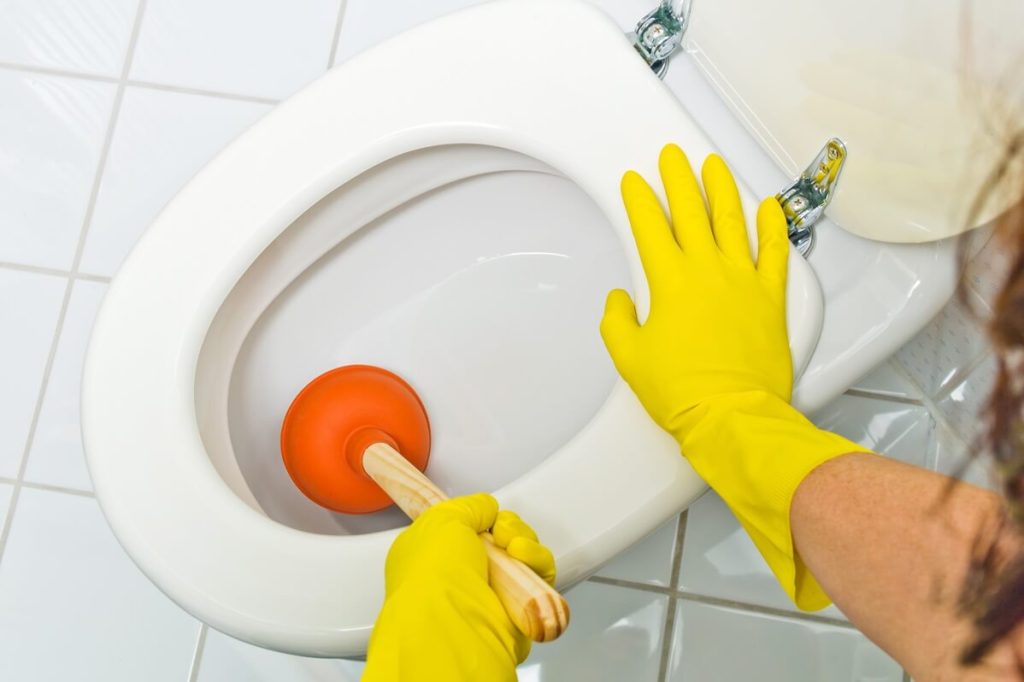
Gloved person unblocking a toilet with a plunger.

Welcome to the glamorous world of DIY plumbing where we’re going to teach you how to unblock a toilet. Grab your cape (or maybe just a pair of rubber gloves) because it’s time to embark on the noble quest of unblocking your porcelain palace.

Steps to fix a blocked toilet

Unclogging a toilet is like a game of plumbing roulette – you never know what’s going to come out on top. We have found that navigating a blocked toilet disaster requires a blend of resourcefulness, patience, and a touch of humour. Here’s your survival guide: 

1. Assess The Situation

Before diving in (figuratively, not literally), assess the severity of the blockage. Is it a minor clog or a full-blown plumbing apocalypse? 

  • Observe the water level: Look at the water level in the bowl. If it’s unusually high or overflowing, you likely have a blockage. If the water level is normal but drains slowly, there might still be a partial blockage.
  • Check for signs of overflow: Look around the base of the blocked toilet for any signs of water pooling or seepage. Overflowing water can cause damage to the surrounding floor, so it’s important to address the issue promptly.
  • Listen for gurgling noises: If you hear gurgling sounds coming from the clogged toilet or the plumbing system when you flush, it could indicate a blockage further down the drain pipe.
  • Inspect the flush: Flush the toilet and observe how the water behaves. If it rises to the rim and doesn’t drain away properly, there’s likely a blockage preventing proper flow.
  • Assess the cause: Consider what might have caused the blockage. Common culprits include excess toilet paper, sanitary products, or foreign objects such as toys accidentally flushed down the toilet.
  • Consider previous issues: If this isn’t the first time your toilet has been blocked, it might indicate an underlying issue like invasive tree roots or a broken or collapsed drain.

2. Gather Your Tools

Arm yourself with the holy trinity of toilet unclogging: rubber gloves, a plunger and a sense of determination. 

3. Plunge Away

Start with the trusty plunger. Use it vigorously, making sure to create a tight seal around the drain. Remember, it’s all about the push and pull.  

4. Chemical Warfare (if necessary)

If plunging fails, consider employing chemical drain cleaners. Proceed with caution and follow the instructions meticulously to avoid turning your bathroom into a toxic wasteland and risking chemical poisoning.

5. Know When To Retreat From the Toilet Blockage

Sometimes, despite your best efforts, the toilet remains stubbornly clogged. It’s important to know when to throw in the towel (preferably not the one you’ve been using) and call in professional reinforcements who have been trained on how to unblock a toilet.

A note about the hazards of unblocking toilets

  • Unblocking a toilet can be messy! Raw sewerage is bad for your health. On contact with your skin it can cause infections, and breathing in aerosolised sewage can cause lung disease and other illnesses. Accidental ingestion can cause all kinds of health dramas, including gastrointestinal upsets at a bare minimum (just what you DO NOT need when you have a blocked loo). Commercial-grade disinfectant should always be used to clean up after dealing with raw sewerage.
  • Entering the drain is licensed plumbing work. This means that the use of any implement inside the drain by anyone other than a licensed plumber is illegal and must only be done by a licensed plumber.
  • Putting anything down the toilet could break your toilet suite. Do not put any mechanical drain cleaning device such as a drain snake in the toilet pan. Best practice is to remove the toilet suite first to avoid damage.
  • Mechanical drain cleaners should only ever be operated by a trained professional such as a licensed plumber. Mechanical drain cleaners can be dangerous and incorrect usage can result in significant injuries and property damage.

What if the clogged toilet returns?

If this isn’t the first time your toilet has been blocked, or your efforts to clear the blockage are unsuccessful, it’s best to call a licensed plumber. We have the expertise and equipment to diagnose and resolve the problem safely and effectively.

A blocked toilet might indicate an underlying issue such as tree root intrusion in the sewer line or improper installation. Our team are seasoned pros. We’ve seen some… stuff. From toilet leaks to blockages, cistern repairs to full toilet suite replacement, toilets and taps are our bread and butter.

Remember, you’re not the first person to face a blocked toilet, and you certainly won’t be the last. Embrace the absurdity of the situation and take solace in the fact that this too shall pass (pun intended). The longer you leave it, the more complex the job. Calling in a drain blockage specialist now will save you big time.

Got a blocked Crapper? Call in the Snapper.
Contact Salmon Plumbing today.

Bathroom Smells – From the Pipes, Not Your Partner!

Woman holdiing nose in digust at bathroom smells

Is your bathroom still emitting pungent odours hours after your partner sat on the porcelain throne doing the daily Wordle puzzle? Have you tried multiple air fresheners only to return later to have the smell punch you in the face once again?

Before completely overhauling your partner’s diet or investing in expensive gut cleansing powders, consider whether the bathroom smells are coming from your pipes, rather than your partner. Chances are they are also getting a nose full of the smelly drains, and maybe even thinking it’s you!

DIY Fixes for Bathroom Smells and Smelly Drains

Sometimes stinky plumbing smells need to be dealt with by a plumbing professional. But the good news is there are a few things you can try first.

Fill the P-Trap

The first place to start is with the p-trap – this is a U-shaped pipe found underneath the basins, baths and showers (not the fluffy rug your nan used to put around the base of the toilet!) When it is filled with water, as it should be, the p-trap acts as a barrier that prevents gases from your sewer system rising up through the pipes into your home. If you have a bathroom where fixtures haven’t been used for some time, the water may have evaporated. In this case, simply running the tap to refill the p-trap may be all you need to do.

Check for Leaks in the P-trap

If you still have smelly drains even after running water down them, checking your p-trap for leaks is the next step in getting to the bottom of the issue. Even a small leak in the U-shaped pipe can be enough to let the potent gases sneak up through your system. This is something you may be able to replace and fit yourself. However, if you have any concerns, or lack the necessary tools for the job, calling a plumber is the best course of action.

Check the Sink for Blockages

It’s gross to think about, but all the things that go down your sink drain other than water (such as hair, toothpaste, soap, or food remnants) can cause a blockage in the pipes that takes on a life of its own and begins to stink!

In cases where the build-up is mild, pouring a cup of baking powder followed by a cup of white vinegar into your sink or shower drain and leaving for 10-15 minutes before running the hot water may be enough to clear the clog in the pipes and deodorise drains. You can also try unclogging the drain yourself with a plunger.

However, in more extreme circumstances, a plumber may use a drain snake or high-pressure hydro-jet to unblock the pipes.

Ignoring a blocked drain and hoping it’ll just go away can quickly turn into a costly mistake. So if these DIY methods don’t work, get your plumber on the phone!

Leaking toilet or blocked drain in the basin can cause bad bathroom smells.

Is the Smell Coming from the Toilet Rather than the Drains?

Are you struggling to keep a lid on the smell coming from your toilet? Smelly bathrooms aren’t always down to smelly drains or your honey spending too long on the dunny.

There are several reasons why your toilet might be the source of the foul smell.

Just like with the p-trap under your sink, the water in the toilet acts as a barrier to stop sewage gases from entering your home. If your toilet bowl isn’t filling up as it should, this could indicate a broken seal.

If there is no caulk around the base of your toilet, water and urine can gather in the crevices, grow bacteria and smell very unpleasant if left unchecked.

A loose or wobbly toilet may indicate a broken pan collar seal or wax ring which can result in toilet water leaking out and puddling on the floor and sewer gas escaping into the room.

Don’t let the stench of smelly drains or other unpleasant bathroom smells overtake your home! Contact Salmon Plumbing today.

Unblocking the Flow: Solving the Mystery of the Blocked Sewer Pipe

Signs of a Brisbane blocked sewer pipe typically arise out of nowhere. You might notice slow drainage, gurgling sounds from drains or toilets, foul smells, or worse still, water pooling around the sewer point. Not only can a blocked sewer cause wastewater to back up into your home posing health hazards and property damage risks, it can also result in expensive repairs if left too late.

Continue reading “Unblocking the Flow: Solving the Mystery of the Blocked Sewer Pipe” →

3 ways to clean clogged hair and other gunk from your shower drain

At Salmon Plumbing, we’re familiar with the stress of a clogged drain during a nice, hot shower.  

We also know the frustration that can follow when wrestling with the mass of hair, soap scum and other gunk that’s blocking your water flow just isn’t working!

This is a pretty common problem, so we’ve decided to put together three proFISHional tips from the team at Salmon Plumbing to help you clear blocked drains and avoid any upset.

Alternate baking soda, vinegar and plunging

It’s often a surprise when our customers haven’t heard of this one – it’s in every mother’s homecare cookbook! Please note that baking soda may be helpful to unblock a shower drain but can cause build up – so, as always, if it doesn’t work the first time, call in your favourite Brisbane plumbers!

For this, you’ll need one cup of baking soda, one cup of vinegar, plenty of boiling water and a cup plunger.

Then you simply follow these steps:

  • Pour a cup of baking soda down the drain.
  • After that, pour a cup of vinegar down the drain (this should create a chemical reaction that will cause fizzing in your drain).
  • Once the fizzing has died down, wait five minutes and boil some water.
  • Next, pour the boiling water slowly down the drain.
  • Finally, run some water down the drain and start plunging.

The baking soda and vinegar will break up any hair and gunk, and the boiling water helps to pass this waste through the drain, removing the blockage.  The plunging ensures that the blockage is completely dislodged and out of your system. If the shower drain keeps getting blocked, then step back and call the plumber, there’s a bigger problem down there!

Remove the drain stopper and use pliers to extract the hair and gunk

This is certainly the hands-on approach most want to avoid, unfortunately, sometimes it’s necessary if your shower drain is very clogged. There’s nothing worse than dealing with a chunk of hair and soap scum, we feel you. But if you’re facing a “no showers” situation, get out the gloves!

For this, you’ll need a screwdriver, rubber gloves, a torch and needle-nose pliers.

Then, you simply follow these steps:

  • Remove the shower grate from your drain, this is where you may need your screwdriver.
  • Once you’ve got a clear opening to the drain below, shine your torch in it.
  • You should see the hairy culprit sitting in the drain.
  • Put the gloves on and use the needle-nose pliers to pull out the mass in your drain.
  • After removing the gunk, run some hot water down the drain.
  • Finally, reinstall the grate and ensure everything’s working properly.

Drain Cleaners – The Last Gasp

We know that a lot of people don’t like the supermarket drain cleaner option because of the chemicals that are often found in drain cleaners. We don’t really like them either as a lot of them can hurt our fishy brothers and sisters in the ocean!

Luckily, we’ve found a plumbing pipe cleaning product that contains no harsh chemicals. It’s called the CLR Power Plumber.

It essentially works the same way as a plunger, except without the mess!

To use it, run the water in your shower and allow some water to pool. Then, submerge the cap of the CLR Power Plumber can and place it over the drain opening. Then, press firmly down. This should expand the gas in the can and push the blockage down and out. Then Hey Presto – No more clogged shower drain!

Red flags your DIY shower drain cleaning isn’t working!

The problem with cleaning a shower drain pipe yourself is that a hair-clogged drain could be a bigger problem than first meets the eye. Hair tends to grab passing particles and can form large blockages in a relatively short time. If you try to clear your shower drain but the problem keeps coming back, you could be forcing hairballs deeper and deeper into your shower drainage pipe. If you clear the blockage you can see, get all the hair out of the drain and then it blocks again, do not keep attempting to unblock it yourself.

Get on the phone and call your local plumber to sort it out for you.

The team at Salmon Plumbing are available at our North Brisbane site around the clock to support the Brisbane region with their plumbing problems and enquiries.

If you need help, simply dial 07 3862 2600 at any hour of the day and our team will pick up the phone and organise the assistance you need.

For more at-home plumbing tips, or to learn about Australia’s plumbing history, click here to read the Salmon Plumbing blog.