Salmon Plumbing Guarantee to ARRIVE ON TIME to your scheduled appointment.
In the rare instance that your plumber has been delayed due to unforeseen circumstances beyond our control, we promise to give you a MINIMUM 30-minutes notice of ANY change in arrival time and will offer to reschedule, if that’s more convenient for you
If we don’t give you at least 30 minutes notice in advance, we will happily give you a FREE Hour of Service on your plumbing job.
This offer is not to be used with any other offer.
Does not apply to quoted jobs.
Discounts will not be applied to overdue amounts.
Deposits
Deposits are not refundable however partial or total refunds of deposits may be made at the sole discretion of Salmon Plumbing.
Cancellations
Salmon Plumbing reserve the right to charge for lost time as a result of cancellations and or postponement made less than 2 business days from the scheduled appointment time.
Warranties
Salmon Plumbing offers a 6 and half year warranty as per the Queensland Building & Construction Commission (QBCC).
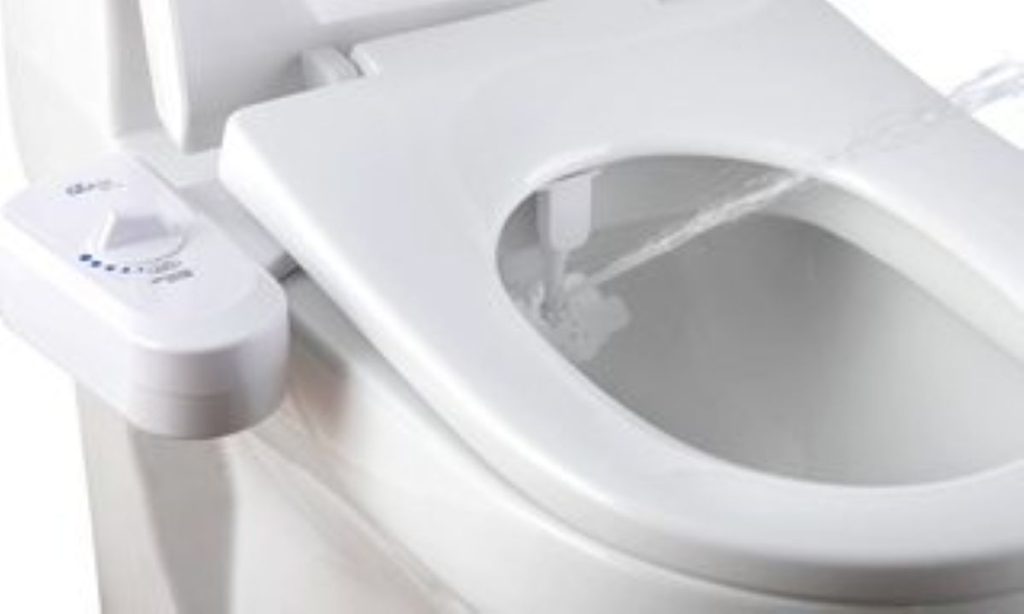
Upgrading to a bidet seat feels like a luxurious step toward better personal hygiene. Soft water spray, heated seats, warm air drying; it’s hard to go back once you’ve tried one. But in Australia, an incorrectly installed bidet is not just inconvenient; it can become one of the most serious contamination risks in your entire home.
The danger isn’t the bidet itself. It’s the very real possibility of backflow sending toilet-bowl water loaded with faecal bacteria back into the public potable water supply. That’s the water you and your neighbour drink.
What is backflow and why is it such a big deal with bidets?
The most common reason backflow occurs is a loss of pressure in the potable mains. When the pressure drops, it creates a vacuum in the pipes, and anything connected to the water system can then be sucked backwards.
In the case of a bidet, the spray nozzle is either inside the toilet bowl or only millimetres above the water level when extended, so if there’s no proper protection, contaminated water from the bowl can be pulled into the freshwater lines.
The problem is that contamination often goes unnoticed until people start getting sick. And of course, once faecal bacteria enter the drinking-water network, the consequences can be severe. This is exactly why the Plumbing Code of Australia (PCA) and the Australian Standard AS/NZS 3500 classify every bidet and bidet toilet seat as a high-hazard fitting (the highest risk category) by default.
Can I install a bidet to my existing toilet?
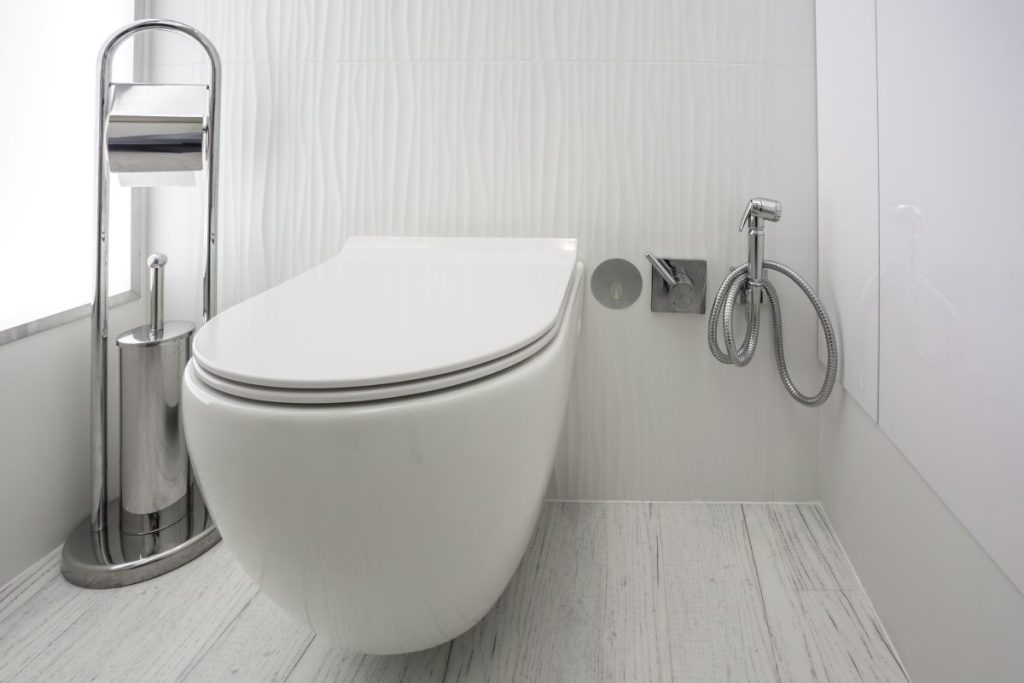
Yes, most bidet products can be fit to a standard toilet suite. The most common purchase is a handheld bidet spray, also known as a douche spray. A non-electric bidet attachment connects to the water supply. If you’re considering an electric bidet toilet seat, a nearby power outlet is required. If there isn’t one, you’ll need an electrician to install one.
Regardless of your personal preference, if you choose to add a bidet product to your existing seat, it must comply with strict plumbing standards. Backflow prevention is critical.
The legal requirements for a bidet in Australia
If your bidet seat or spray accessory does not have compliant built-in protection, due to its classification, a separate high-hazard device must be installed. This can be either a Reduced Pressure Zone Device (RPZD) or a Registered Break Tank (RBT). The devices perform the same function but achieve backflow prevention through different mechanisms. For bidets in Brisbane homes, the RPZD is the most common choice.
How to install a bidet safely and legally in Australia
In every Australian state and territory, only licensed plumbers are allowed to carry out water-supply and sanitary plumbing work. Doing it yourself or hiring an unlicensed handyman can void the manufacturer’s warranty on a product and potentially compromise your home insurance coverage.
The installation of a bidet must comply with Australian Standards, including AS/NZS 3500.1 for water services and AS/NZS 2845 for backflow prevention. This can only be completed by a licensed plumber equipped with the specific accreditations. Don’t forget to obtain a Certificate of Compliance from your plumber at the end of the job.
Choosing a bidet
If you’re shopping around for a new bidet, to ensure it has the approved legal protection, you need to look out for two main features.
WaterMark certification: The official WaterMark logo should be present on the product itself, the packaging, or the manufacturer’s paperwork. It is illegal to sell or install non-certified bidets in Australia.
Backflow protection: Confirm that the product you choose has the necessary backflow prevention built into the bidet itself. To do this, search the product on the Australian Building Codes Board (ABCB) database. The WaterMark product description should mention either an Integral Air Gap (AG) or Atmospheric Vacuum Breaker (AVB).
If the model you like does not have approved integral protection, contact a local plumber to ensure it can be made to be compliant. Be sure to include professional bidet installation and ongoing annual testing expenses in your budget. Backflow prevention devices require annual testing to ensure they are working correctly.
Professional bidet installation matters
A correctly installed, WaterMark-certified bidet with proper backflow prevention is one of the safest, most hygienic bathroom upgrades you can make. A cheap, incorrectly installed unit without adequate protection is a public-health time bomb. Costs will vary significantly depending on the type of bidet you choose and its specific installation requirements, but using a licensed plumber and genuine certified products is an investment in your health and the health of your neighbours, too.